9 Spiritual Meanings of Mourning Doves
Published 2026-03-25
In this post, we’re going to cover the spiritual meaning and symbolism of the Mourning Dove, and you’re probably familiar with their soft, gentle coo-ing call.
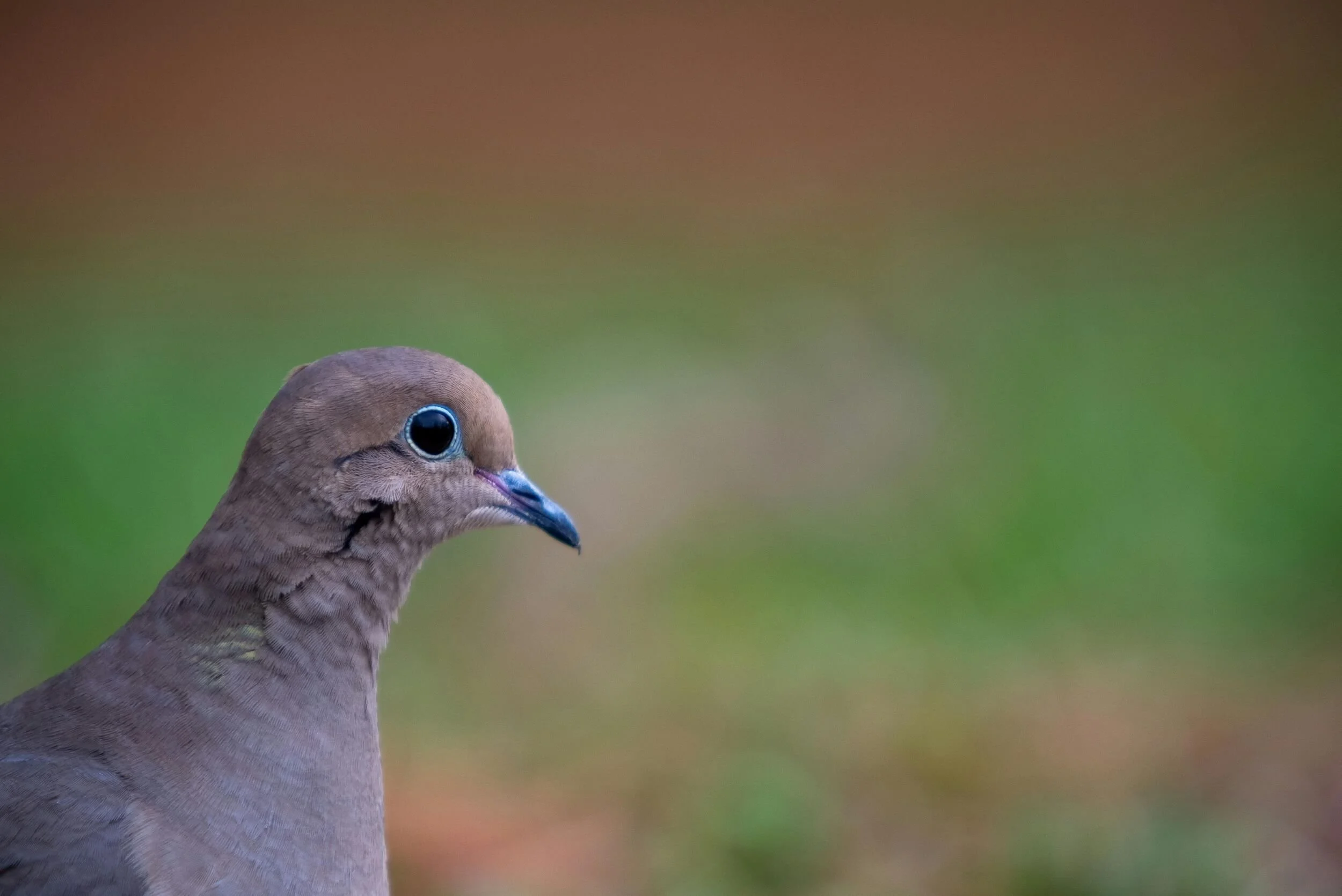
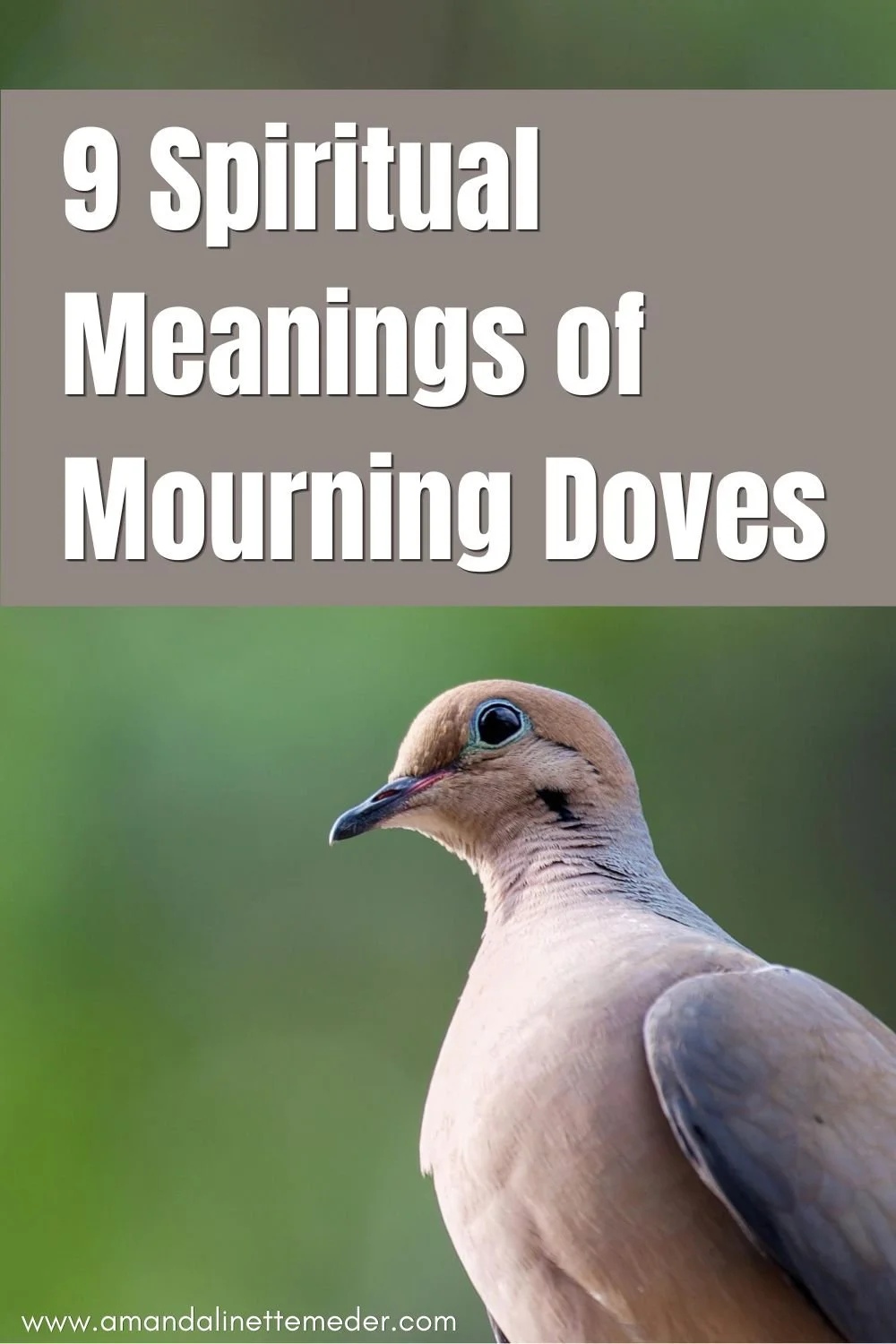
The Mourning Dove (Zenaida macroura) is common across the Americas and they’re a graceful, slender tailed dove. They’re grayish brown with some black spotting on the wings and tail feathers.
They perch on telephone wires and forage for seeds on the ground.
Something cool about them is during breeding season, you’ll likely see 3 flying together.
The lead is typically the head male of the mated pair.
The second is usually an unmated male trying to chase his rival and the third is the female of the pair, who according to researchers, seems to just enjoy tagging along for the chase.
They can also live quite a while, with the oldest known dove living to be 30 years old.
Spiritually, Mourning Doves are most commonly known for being messengers of peace and hope, but there are other messages they carry.
9 Symbolic Messages of the Mourning Dove
1 - It’s okay to vocally mourn
Their cooing sound is often considered to sound sad or like they are lamenting something. You’ll hear it at dusk or in the early morning before sunrise.
Their cooing call at the darker times of the day is why they can be confused with owls.
They are named after their melancholy sounding call.
In some spiritual teachings, we’re told to keep our chin up and only preach positivity - what you want to attract.
Symbolically, the Mourning Dove’s call can be a sign that it’s okay to grieve openly and regularly sometimes. You may not need to hide your sorrows away or put on a stiff upper lip all the time.
Think of it this way: if no one knows why you suffer, no one can help. You could be sitting next to the person with the solution and never know it because you didn’t share.
Openly sharing your suffering can be beneficial - it won’t necessarily attract “more of what you focus on,” sometimes, it attracts inspired problem solving or the person who will find the answer.
2 - Be swift
Mourning Doves take their time while eating on the ground, but they make it up for being very fast fliers. They’re capable of reaching speeds of up to 55 mph.
This is one of the reasons why they are a favorite game bird for hunters. Although, they are quick and maneuverable in flight, thus, able to escape most predators.
If Mourning Doves have been calling to you, it can be a sign that speed is important right now. Embrace doing things quickly, as it can put you ahead of competitors or help you make rapid progress on your goals.
3 - Take care of your young
Mourning Doves produce their own milk to feed their off spring, before moving onto supplementing with seeds and other vegetative materials.
Both parents also nest build, and care for and incubate the young.
Their presence can symbolize the need to care for the younger beings you watch over, no matter your gender.
Whether you have kids of your own, babysit kids for others, lead new hires at work, or volunteer to help youth, consider what you can do to better raise the youth, who you guide, to succeed.
4 - If you’re paired romantically, work together
There’s no “I” in team.
Mourning Doves are typically monogamous and will preen each other’s feathers.
Males will select nest sites that he thinks could work and let the female choose her preference. He will bring her suitable materials for building the nest, and she will put it together.
If Mourning Doves have come to you and you’re romantically involved - their message may be to remember you’re on the same team. Work together, share chores and look after each other.
5 - Be a messenger of hope, peace and love
They are in an old biblical tale of Noah’s Ark. Noah sent a dove out after the flood to look for new life, and it returned holding an olive leaf - signaling dry land was out there.
Seeing a Mourning Dove can be considered a reminder that you too can offer hope to others - through your words or actions.
6 - Your Loved Ones are with you
Because of the Mourning Dove’s swift flight, connection to Biblical teachings, Jesus, and the Holy Spirit, they are considered messengers from the Other Side.
For these reasons, symbolically, Mourning Doves can be interpreted as a sign your Loved Ones are still with you and are visiting you in Spirit.
Their soft, cooing sounds can also offer solace and tranquility in times of grief, aiding in the process of healing after a difficult period.
7 - Positive change is on the horizon
The gentle presence of the Mourning Dove at dusk and before sunrise, can be a sign that even during darker moments, there can be glimmers of hope.
Their melancholic song can also be a sign that it's time to release old pains and embrace new beginnings. They can signal that healing and transformation are on the horizon.
8 - Stock up when resources are abundant
Mourning Doves will eat a lot of seed when it is plentiful. They can eat a lot of seeds in a single feeding session - they’ll eat 12-20% of their weight in a single day and then perch to digest.
The record is 17,200 bluegrass seeds in a bird’s crop at a time.
They may offer the message of resource stockpiling. When resources are abundantly available and free for the taking, take as much as you can and sort it out later.
9 - Stretch your resource use to survive harsh environments
Mourning Doves typically drink fresh water, but they will also drink mildly brackish water (half the salt as sea water) to survive in arid climates.
This is an adaptation that allows them to live in desert conditions, and no, you shouldn’t drink brackish water too.
Symbolically, though, their presence can be a sign that if an environment becomes challenging, perhaps there is a shift you can make in how you use your resources or in what resources you’ll use to handle the situation.
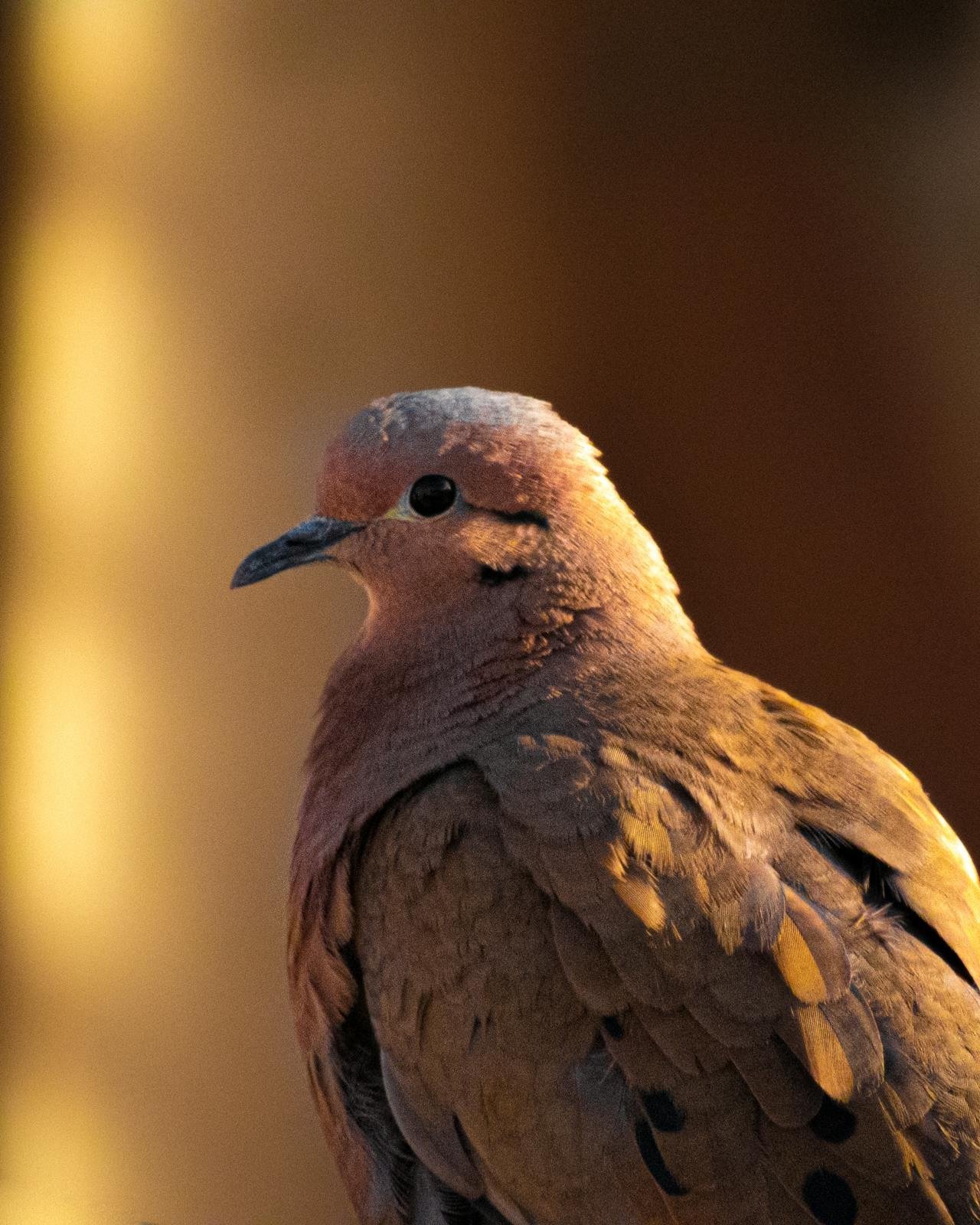
The Mourning Dove reminds us life includes moments of sorrow and peace.
Its soft, melancholy call echoes through quiet mornings and dusky evenings. It is a gentle acknowledgment that grief, healing, love, and renewal are part of the human experience.
When a Mourning Dove crosses your path, it may be encouraging you to slow down and listen to your heart.
Its presence can be a reminder - it’s okay to mourn what has been lost, while still holding space for hope and new beginnings.
The dove carries messages of peace and renewal in many spiritual traditions, but it also symbolizes reassurance that brighter days are ahead.
At the same time, the Mourning Dove’s life path offers practical wisdom.
From caring deeply for its partner and young, to adapting to harsh environments and gathering resources when they are plentiful, this bird’s teachings embody resilience, cooperation and quiet strength.
Ultimately, the Mourning Dove is a symbol of gentle perseverance.
Its appearance may be a reminder you are supported by loved ones, nature, or unseen spiritual forces even during life’s difficult seasons.
So next time you hear the soft coo of a Mourning Dove or see one resting nearby, reflect on what you need to release, what you are being called to nurture, and what glimmers of hope might be taking root in your life.
Ready to move from inspiration into action?
Join The Membership, an online intuitive development hub! Explore different ways to tune in and interpret the signs at your own pace with 24/7 archives and your own login.
Other Articles You May Enjoy: