The Surprising Spiritual Meaning of Moths
Published 2026-09-25.
Worldwide, there are more than 160,000 known species of moth, and some researchers believe there may be hundreds or even thousands more yet to be discovered.
I think there is something magical about knowing there are things living on Earth that we don't even know about yet.
Think about that for a moment.
There are problems we haven't solved, answers still waiting for their seeker, and wonders that could still surprise us in a good way.
Sometimes, the unknown is not something to fear.
Sometimes, it is simply something delightfully interesting that we haven't discovered yet.
Moths also have something important to tell us about the health of the environment around us.
They are considered indicator species, meaning their presence or absence can provide information about the quality of a particular ecosystem.
Much like lichen growing on trees can be an indicator of air quality, changes in moth populations can tell us something about the habitat around us.
So if you aren't seeing moths, it can be worth looking around.
What could be improved in the local habitat?
And if you want to see more of them, you don't necessarily need to spend a fortune or spend a lifetime creating a moth-friendly environment.
I experimented with this in my own yard.
This May, I set the intention to plant more native and pollinator-friendly plants to create a better habitat for butterflies, hummingbirds, and other insects.
By late summer, just a few months later, we were seeing noticeably more butterflies and hummingbirds. It seems they are flying around everywhere now.
And I didn't do it by spending a fortune at a high-end nursery.
I used "second chance" plants that were going to be thrown away, along with plants from cuttings and other inexpensive or free sources. You can find plants through neighbors, local groups, or even Facebook Marketplace.
The important thing is to learn what you're planting and what your local wildlife actually needs.
When plant buying, as a horticulturalist, I will tell you that in my experience it is best to buy 1-3 of each type of plant and observe how it performs in your habitat.
Don’t go all in on one type of anything, no matter how cute it is or how cheap. Once you see how your original test plantings do, and it can take about a season, then double down on what works.
You will save yourself money and avoid some heartache doing it this way.
You can also simply walk into a nursery and ask your local horticulturalist which plants will attract the species you're hoping to support.
And remember, sometimes, creating more life around you doesn't require a huge transformation in one fell swoop.
A few intentional plantings and even moving some plants you already have to better spots can make a difference.
And perhaps that is a lesson worth remembering as we pivot into discussing the spiritual symbolism of the moth.
Before we get there though, you may be wondering...
What is the difference between a moth and a butterfly?
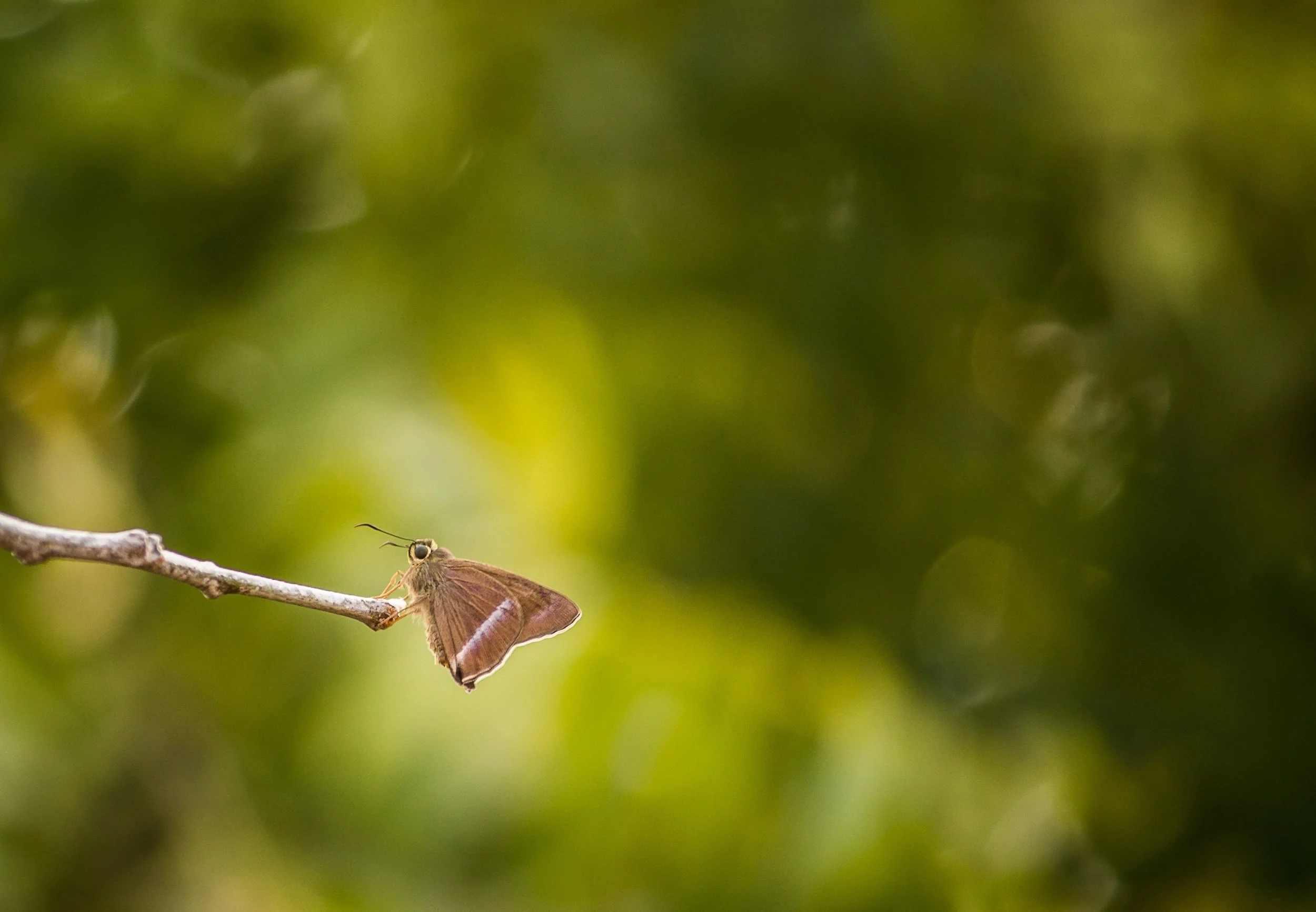
There are exceptions, but most moths are nocturnal, while butterflies are primarily active during the day.
One of the easiest physical differences to spot is their antennae. Butterflies typically have club-shaped antennae with little rounded ends, while moth antennae are often feathery or taper to a point.
When resting, moths also typically hold their wings flat over their bodies, while butterflies usually hold their wings upright.
Those differences may seem small, but when we're looking at animal symbolism, it is often the small details that give us the most interesting messages.
3 Symbolic Messages from the Moth
1. You Don't Have to Be Appealing to Everyone
I know the trend right now, especially for women, is to look like a "snack" or a "thirst trap"—to be visually appealing, desirable, and attractive.
But moths have taken a very different evolutionary approach. Given their species numbers count, I believe it is worth considering their ways.
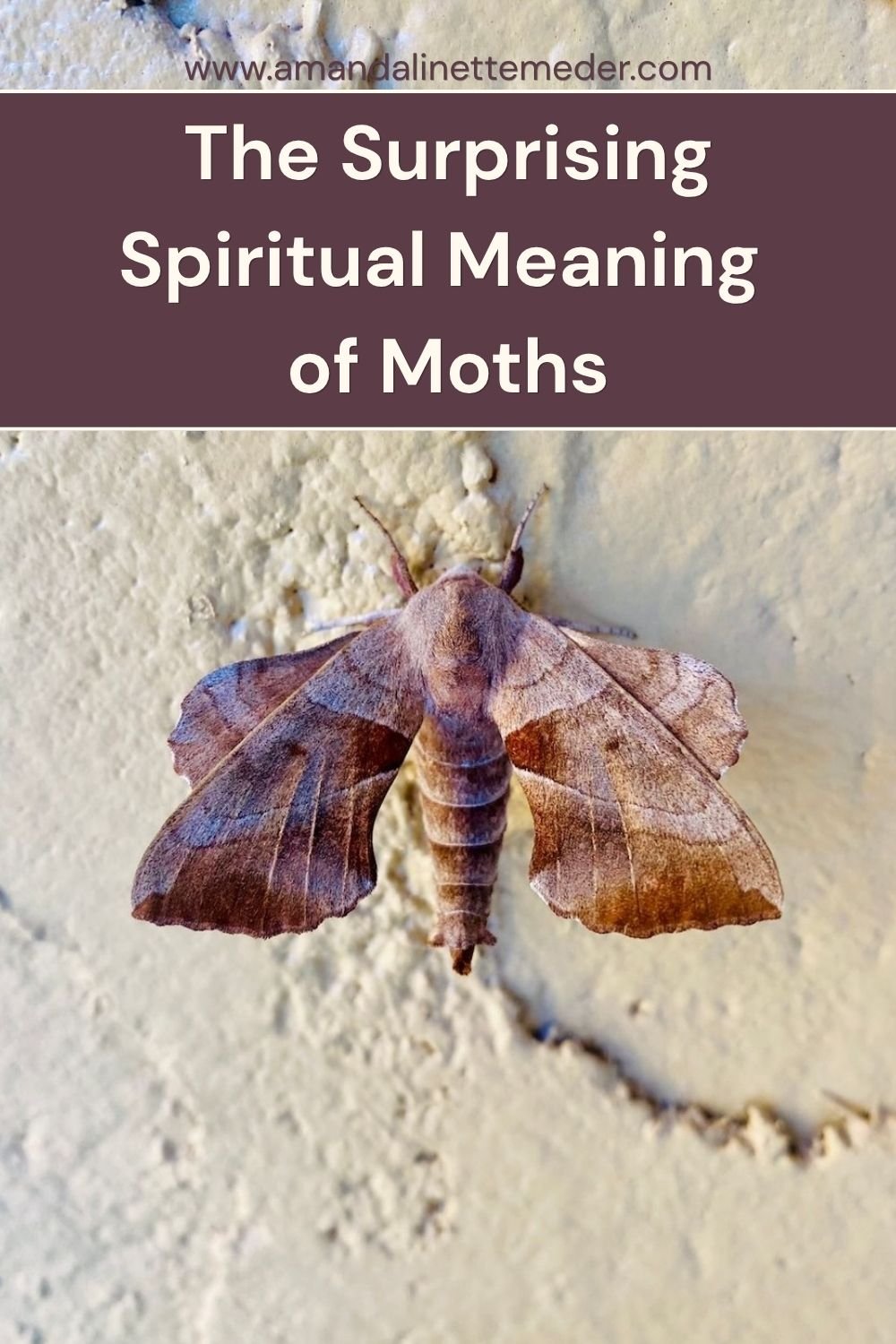
Moths are ecologically famous for having developed markings that mimic things predators don't particularly want to mess with, including wasps, tarantulas, praying mantises, and even bird droppings.
They use mimicry to ward off threats and looking unappealing can sometimes be an advantage.
There will be times in your life when being pleasing, agreeable, or attractive to everyone around you simply is not in your best interest.
Sometimes you need stronger boundaries or you need to be more assertive.
Sometimes you need to let someone know, through your words, your behavior, your appearance, your presence or your absence, that you are not an easy target.
Moths help us recognize that being liked is not necessarily better than being safe, respected, or protected.
The moth reminds you that you don't have to make yourself universally appealing.
There are times when being a little less accessible and perhaps even less agreeable may serve you better.
2. Tune Your Attraction Sensors
Male moths are remarkably sensitive to the pheromones released by females. In some species, males can detect a female from several miles away.
Their antennae play an important role in this. The feathery structure increases their surface area, giving them an incredibly sensitive system for detecting chemical signals in the environment.
They are, quite literally, tuned to notice what they are looking for.
And perhaps you can do something similar.
When you have a desire, how much attention are you actually giving it?
Not obsessing over it. Not forcing it.
But becoming more sensitive to the opportunities, information, people, and intuitive nudges that may be pointing you toward it.
A moth appearing in your life can be a reminder to tune your senses toward what you want to experience.
Take a moment and think about something you desire and ask:
What would I notice if I were already tuned toward this?
Your intuition often works through subtle signals. The more intentionally you pay attention, the easier those signals can become to recognize.
3. Make the Most of the Time You Have
Some moths live for only a few days. Others live for a week or several weeks, while some species can live for a few months.
Their lives can be remarkably brief and yet, they live the life they have.
They may not know how much time remains and typically neither do we.
Our lifespans are generally much longer than those of moths, but that doesn't make our time unlimited. None of us knows exactly what the future holds, and when we look at the entirety of a life, even decades can seem surprisingly short.
The moth can therefore be a simple reminder:
Don't postpone your life.
What have you been saying you'll do someday?
What conversation have you been putting off?
What experience have you been waiting for the "right time" to have?
What is something you could do today instead of waiting until tomorrow?
You don't have to completely rearrange your life. Sometimes making the most of your time means doing one small thing you've been continually putting off.
The moth doesn't ask you to live frantically.
It asks you to remember the time you have is the time you have and it is worth using towards what matters.
The Moth's Message
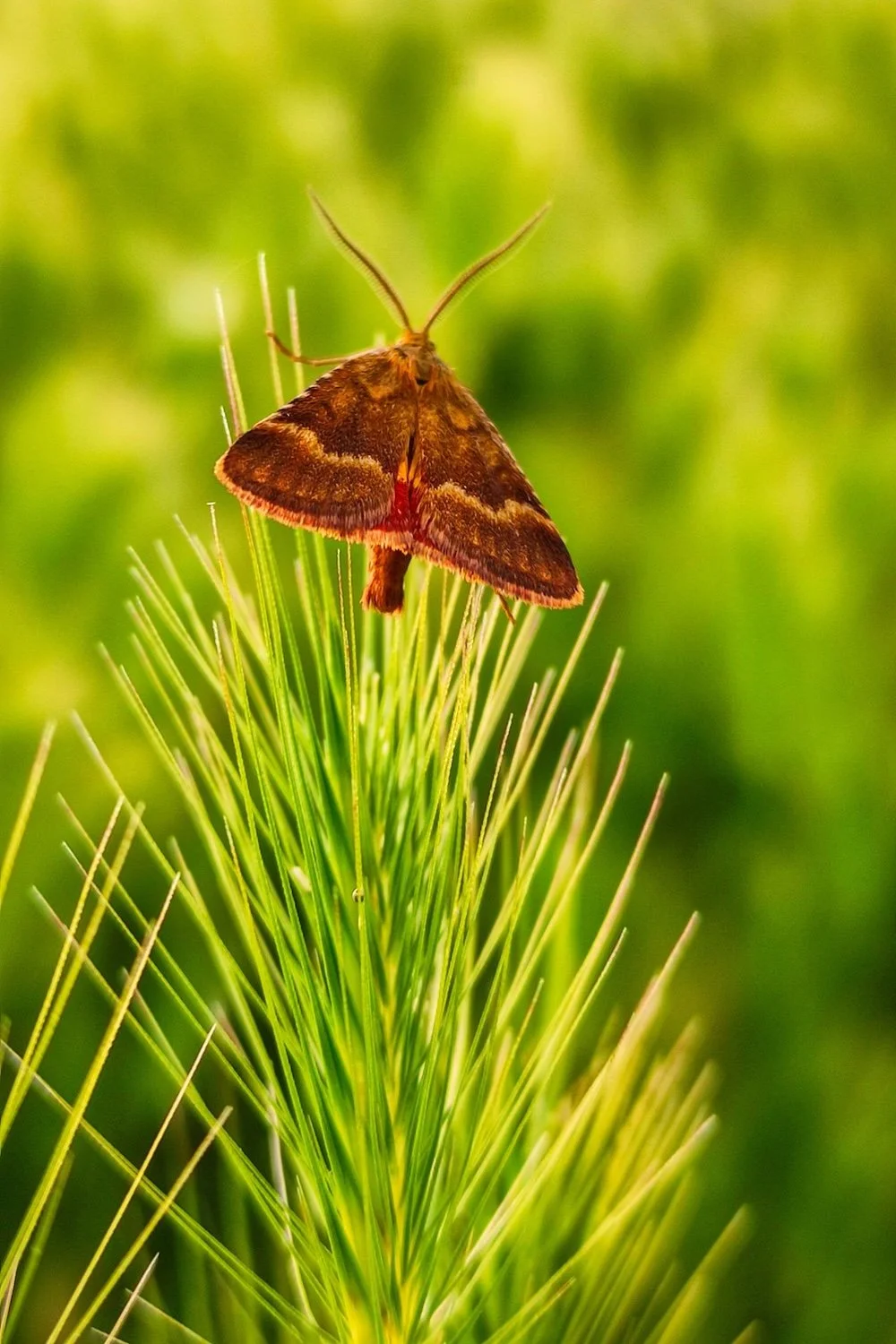
You don't have to be appealing to everyone.
Tune your senses toward what matters. Notice what is calling your attention. And use the time you have.
Perhaps one of the most interesting facts about moths is that there are more than 160,000 known species, with potentially thousands more still waiting to be discovered.
There are still so many things in this world we haven't discovered yet - perhaps some of them are out there waiting for you to find.
Taking advantage of the time you have here and staying open to what you sense, even before you have all the proof, can help you discover what is still out there for you.
Moths can also remind us that we don't always need physical proof to trust what we're sensing.
Sometimes, the signs are subtle. Sometimes, you just have a feeling.
And sometimes, the vibes you sense are enough to get you where you need to go.
Want to Trust Your Intuition More?
If you're learning to notice subtle signs, trust your inner knowing, and make sense of the things you perceive before you have physical proof, you're already developing your intuition.
Inside The Membership, you'll have guidance and support to help you strengthen those intuitive senses, learn to recognize your own signals, and trust what you're receiving.
Because sometimes, the message isn't going to arrive with undeniable proof. Sometimes, you just know.
Explore the Intuitive Development Membership →
Other Articles You May Enjoy: