
The Member Center
Listening To Your Inner Voice
Hear Your Soul’s Wisdom
[ms-widget-embed path="/content-library/node/listening-to-your-inner-voice"]
PART 2: Create Space to Receive
Quieting the Noise So Your Inner Voice Has Room to Speak
One of the most important parts of developing your intuitive listening ability is learning that more information isn't always better.
Sometimes the most powerful thing you can do is create less noise.
Our minds are constantly processing.
To-do lists. Conversations. Notifications. Worries. Plans. Other people's opinions. Things we wish we'd said. Things we're afraid might happen.
And underneath all of that, there may be a much quieter voice waiting to come forward. Your inner voice doesn't always become louder; sometimes your inner world needs to become quieter.
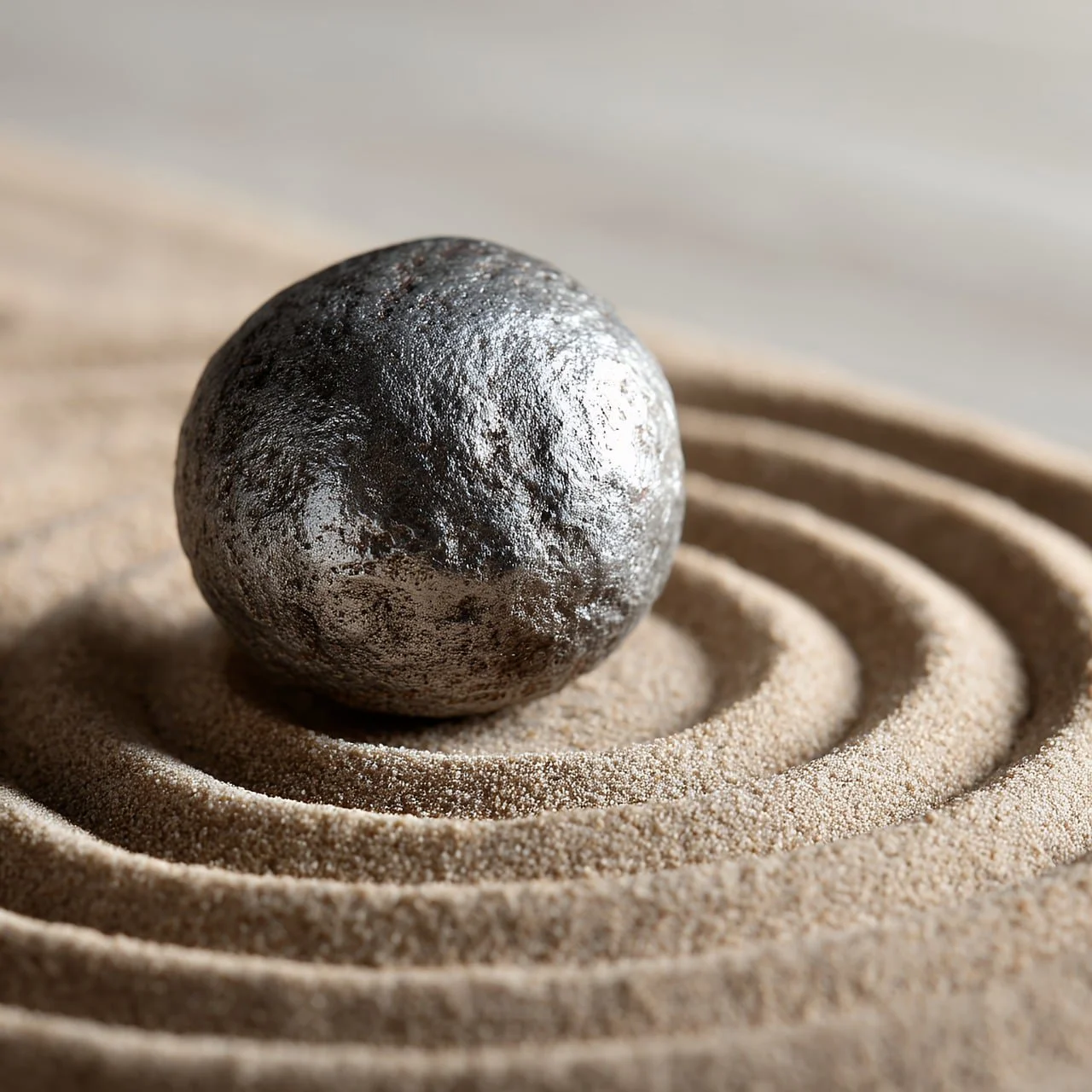
The Power of Silence
Silence creates space. When you aren't constantly responding to the outside world, some of the energy you've been directing outward becomes available for inward listening.
Some time spent in silence can help you notice: what you actually think, what you actually feel, what matters to you, what deserves your attention, what doesn't require a response, what you've been avoiding, and what your inner wisdom has been trying to tell you.
You may also discover that not everything needs immediate action.
Not every thought requires a response. Not every person requires your engagement. Not every message needs to be answered.
Sometimes choosing silence is simply choosing to protect the space where you can hear yourself.

Exercise 1: The Daily Brain Dump
This is one of my favorite practices for creating space to hear yourself.
Take a journal and begin with:
Dear Self,
Then write.
Don't edit. Don't organize. Don't worry about making it beautiful.
Write the thoughts that are taking up space in your mind.
To-do lists. Questions. Frustrations. Worries. Things you're excited about. Things you don't understand. Decisions you're making. Anything that comes up.
Keep going until you feel like you've emptied the mental clutter onto the page. I usually find this is around 1-2 pages, depending on the size of the paper.
When you're finished, pause.
Notice what remains.
You can also take the final question or concern you wrote down and ask:
How can I approach this differently? or what would make this easier?
Then write the first response that comes.
This practice creates a distinction between mental noise and the quieter response that can emerge once the noise has been given somewhere to go.

Exercise 2: Opening the Treasure Chest
Think of a question that has been difficult for you. Take a few slow breaths.
Soften your gaze. Imagine yourself standing somewhere peaceful—a favorite beach, forest, garden, or another place where you naturally feel safe and relaxed.
Make the scene vivid. Notice the colors, the temperature, the sounds, the ground beneath your feet and the air around you.
Now imagine discovering a treasure chest, walk toward it, open it.
Inside is something connected to the answer you're seeking. Let yourself receive whatever appears.
It might be an object, a word, a person, a color, a symbol, a feeling, an image or something that makes no sense until later.
Simply notice what you see, hear or sense in your inner world.
A Note on Practice
You can repeat this visualization with different questions and it can become easier with practice.

Exercise 3: A Vow of Silence
Choose a period of time—a 15-min window, an hour, an afternoon, an evening, or another manageable window—or a specific topic and intentionally practice silence around it.
During this time or when this topic comes up, resist the urge to:
Explain yourself.
Fill empty space with conversation.
Fix everything.
Respond immediately.
Talk simply because you're uncomfortable with quiet.
Instead, breathe, listen, notice.
Allow yourself to exist without constantly translating or narrating your experience into words for someone else. The goal is to practice allowing external things to be so it is easier to go within.
As you become quiet, imagine gently drawing your energy back toward yourself.
Visualize cords, tethers, or streams of attention returning to your own field.
Imagine a soft golden or amber light surrounding you.
Then ask: what does my inner voice want me to know?
Reflection
The goal of this part of the journey is to create the space to receive by quieting external/internal noise through journaling, silence, and visualization.
We’re practicing journaling and making space for spontaneous responses, creating silence and reducing mental/outer noise, and beginning to distinguish what is coming from your own mind versus what feels like receiving guidance.
Think of yourself like a receiver. There may be countless signals around you, but you don't have to tune into all of them.
The goal isn't to become permanently open to everything, it is to become intentional about what you listen to.
Ask yourself:
What happens when I become quiet?
Which thoughts disappear once I stop feeding them?
What remains?
Did my inner voice feel different from my usual mental chatter?
Did I receive anything unexpected?
How did silence affect my energy?
What environments make listening easier for me?
Transition Into Part 3
You've opened the channel. Now you've created space. Next, comes the part that requires the most discernment:
How do you know what you're hearing and what do you do with it?